

Maximise Every Room: Smart Furniture Choices for Modern Homes
Furnishing a home from scratch, or refreshing one you’ve lived in for years, can feel overwhelming. With so many options available, it’s easy to default to purchasing individual pieces without considering how they work together. The result? Rooms that feel disconnected, cluttered, or simply not quite right.
The good news is that smart furniture choices don’t require an interior designer. They require a clear sense of your lifestyle, an eye for versatility, and a willingness to invest in pieces that genuinely earn their place. Whether you’re a new homeowner furnishing room by room or a renovator planning a whole-house update, we’ll help you think strategically about every space.
Choosing Furniture That Works for Your Lifestyle
Furniture that looks stunning in a styled photograph but doesn’t suit your habits will quickly become a source of frustration. A family home demands different things from a couple’s flat. Open-plan living requires different solutions to a series of distinct rooms.
Think about traffic flow, storage needs, and the way natural light moves through your space. Solid wood furniture, for instance, adapts beautifully across styles and tends to improve with age; a key consideration if you’re furnishing for the long term rather than following a trend. Pieces that combine storage with display will always work harder than those that do only one job.
Living Room Furniture That Balances Style and Storage
The living room is where most households spend the majority of their time, yet it’s also one of the most likely spaces to accumulate clutter. The most effective living room schemes build storage into the design from the outset, rather than trying to solve it as an afterthought.
Cupboards and Console Tables
Well-chosen cupboards offer a clean, cohesive way to manage everyday items, from remote controls and board games to throws and children’s belongings. A painted or oak cupboard in a classic style can anchor a living room scheme without demanding too much visual attention, letting sofas and artwork take centre stage.
Console tables offer a different kind of versatility. Slim enough to sit against a wall without intruding on floor space, they create a natural surface for lamps, books, and decorative objects. In open-plan rooms, a console table placed behind a sofa can subtly divide the living and dining zones while adding practical surface area.
The key to success in the living room is restraint. Choose pieces that complement each other in finish and proportion, and resist the temptation to fill every corner.
Dining Spaces That Bring People Together
A dining room, whether it’s a dedicated space or part of a larger open-plan layout, should feel inviting and functional in equal measure. This is where good furniture choices have a real impact on everyday life.
Dining Tables and Supporting Storage
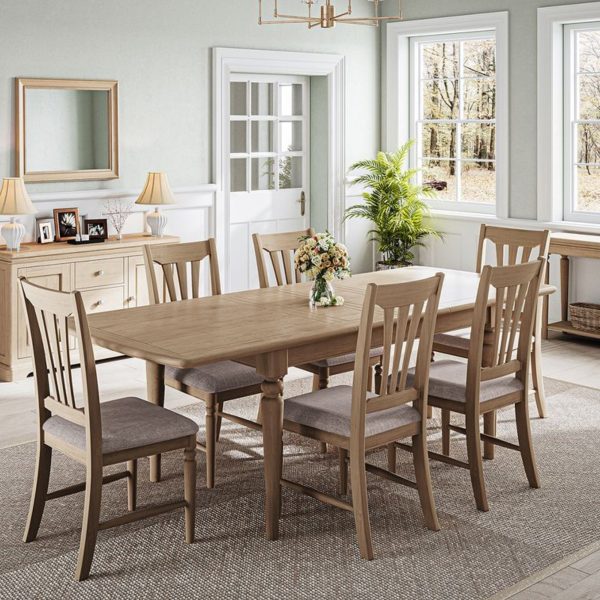
The dining table is the centrepiece of the room, so it’s worth taking time to find the right one. Consider how many people need to sit comfortably on a daily basis, and whether an extending design would give you flexibility for gatherings. A solid wood table with a classic finish will complement a wide range of chairs and accessories, giving you room to evolve the scheme over time.
Supporting storage makes a dining space genuinely liveable. Sideboards and cupboards provide a home for table linens, crockery, and serving pieces, keeping the room tidy without hiding its character. A well-styled sideboard can also double as a display surface for artwork, candles, or seasonal accessories.
If your dining room has an awkward corner, a corner cabinet is an elegant solution, one that maximises every inch of space without the room feeling overcrowded.
Using Accessories to Finish the Look
Furniture provides the structure; accessories provide the soul. Once your larger pieces are in place, it’s the smaller details that draw a room together and make it feel personal.
Personalising Your Space
Home accessories, mirrors, lamps, decorative objects, cushions, and artwork allow you to introduce colour, texture, and personality, without committing to a full redecoration. A carefully placed mirror can open up a smaller room and improve the quality of natural light. A pair of lamps flanking a sideboard creates warmth and symmetry. A mix of ceramics and greenery on open shelving adds life to what might otherwise feel like a flat surface.
When accessorising, consider scale carefully. A single large accessory will often read better than several small ones competing for attention. Choosing a consistent colour palette across your accessories also helps create a sense of considered design, even in rooms that have been furnished gradually over time.
Investing in Furniture That Lasts
Modern dining room sets and living room collections are often designed with fast turnover in mind. But for homeowners who want spaces they can genuinely live in and love for years, quality of construction matters more than short-term trends.
Solid wood furniture ages well. It can be refinished, repaired, and reimagined as tastes evolve. Handcrafted pieces offer a level of detail and durability that mass-produced alternatives rarely match. When you’re planning multiple purchases across several rooms, investing in quality from the outset almost always works out to be better value than replacing cheaper pieces every few years.
At Edmunds & Clarke, our range is built on this philosophy. As an independent, family-run store with nearly 50 years of heritage, we offer furniture that is crafted to last, across living, dining, and home accessory categories.
If you’re ready to bring a more cohesive, considered approach to your home, explore our coordinated furniture collections and find pieces that work beautifully together, room by room.
Explore our furniture collections.
Frequently Asked Questions
What is the best furniture for a modern home that also provides storage?
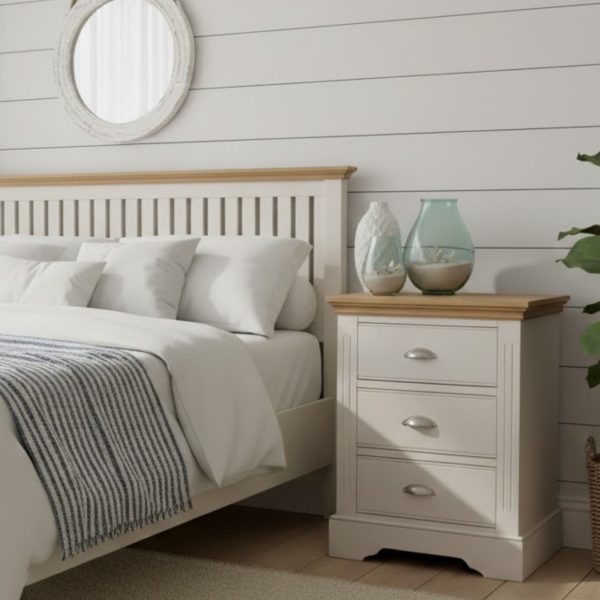
Console tables, cupboards, bedside tables, and sideboards are among the most versatile choices for modern homes. Each offers storage or display space without overwhelming a room visually. Look for pieces with clean lines and quality finishes that will remain relevant as your interior evolves.
How do I choose a dining table that works for both everyday use and entertaining?
An extending dining table is an excellent solution for homes that host guests regularly but need a practical, everyday-sized surface day to day. Choose a solid wood finish that complements your existing flooring and cabinetry, and pair it with chairs that can be tucked neatly away when not in use.
How do I make a small living room feel larger with furniture?
Choose furniture that is appropriately scaled for the room; oversized sofas and bulky cabinets can quickly make a space feel cramped. A slimline console table, a wall-mounted mirror, and a compact cupboard with closed storage are smart choices that add function without eating into floor space.
Are home accessories worth investing in if I’m already spending on furniture?
Yes. Well-chosen accessories are one of the most cost-effective ways to elevate a room. A few quality pieces, a good lamp, a carefully framed artwork, a ceramic vase, can transform how a space feels without the outlay of new furniture. They also allow you to refresh a scheme seasonally without starting from scratch.
What should I prioritise when furnishing a home for the first time?
Start with the rooms you use most: the living room and dining space. Invest in the key structural pieces first: a sofa, a dining table, a storage cupboard, and build around them with accessories over time. Choosing classic, quality pieces from the outset means your home can evolve without constant replacement.
Posted in Blog